


What Is Webtoon? A Practical Guide to Translating Digital Comics for Global Readers
After defining webtoon, create a visual translation sheet before dialogue translation. It logs names, terms, pronouns, sound effects, fonts, speech styles and bubble space, unifying standards for translators, editors and letterers. This workflow shows webtoon translation differs from plain text work. Webtoon integrates text, visuals, timing and scroll flow. Overlong or misplaced lines ruin gags. This guide handles dialogue, cultural cues, sound effects and art while preserving reading rhythm, with the sheet supporting all phases.Focused on practice, this process includes source review, glossary building, natural English drafting, art editing and mobile preview. It distinguishes webtoon from manhwa, manga and regular webcomics, turning its definition into actionable know-how.
1. What Is Webtoon, and Why Does Its Format Change Translation?
1.1 Understand the digital format first
The short answer to what is webtoon is an episodic digital comic designed mainly for online reading. Many episodes use one long vertical canvas rather than separate printed pages. These digital vertical scroll comics reveal dialogue, action, and pauses as the reader moves downward. Translation must therefore preserve both meaning and scroll timing.
Most examples are also smartphone optimized web comics, which shapes the answer to what is webtoon. A sentence that looks fine on a desktop may become cramped on a phone. Open the source at its real display width and mark narrow bubbles, signs, and text over detailed art. This prevents late rewriting.
The WEBTOON video helps explain what is webtoon translation and shows why a platform-based workflow matters for multilingual comic publishing.
1.2 Separate the medium from the platform
When explaining what is webtoon, note that webtoon can describe a format while WEBTOON names a platform. This matters because services can have different image sizes, language rules, and upload limits. Confirm the platform before creating the glossary or lettering template. That is part of answering what is webtoon for a production team.
| Question | Correct approach | Common mistake |
|---|---|---|
| Is it made for vertical reading? | ✓ Check the full scroll | ✗ Review isolated bubbles only |
| Is WEBTOON always the medium name? | ✗ Context decides | ✗ Treat every platform as WEBTOON |
| Should mobile layout be tested? | ✓ Test on a phone | ✗ Approve only on desktop |
2. What Is Manhwa, and Which Terms Should Translators Use?
2.1 Distinguish origin from format
The question what is webtoon becomes clearer beside what is manhwa, the common name for Korean comics. Manhwa describes cultural origin, while webtoon usually describes digital presentation. A Korean printed comic may be manhwa without being a webtoon. A scrolling comic created elsewhere may be a webtoon without being Korean manhwa.
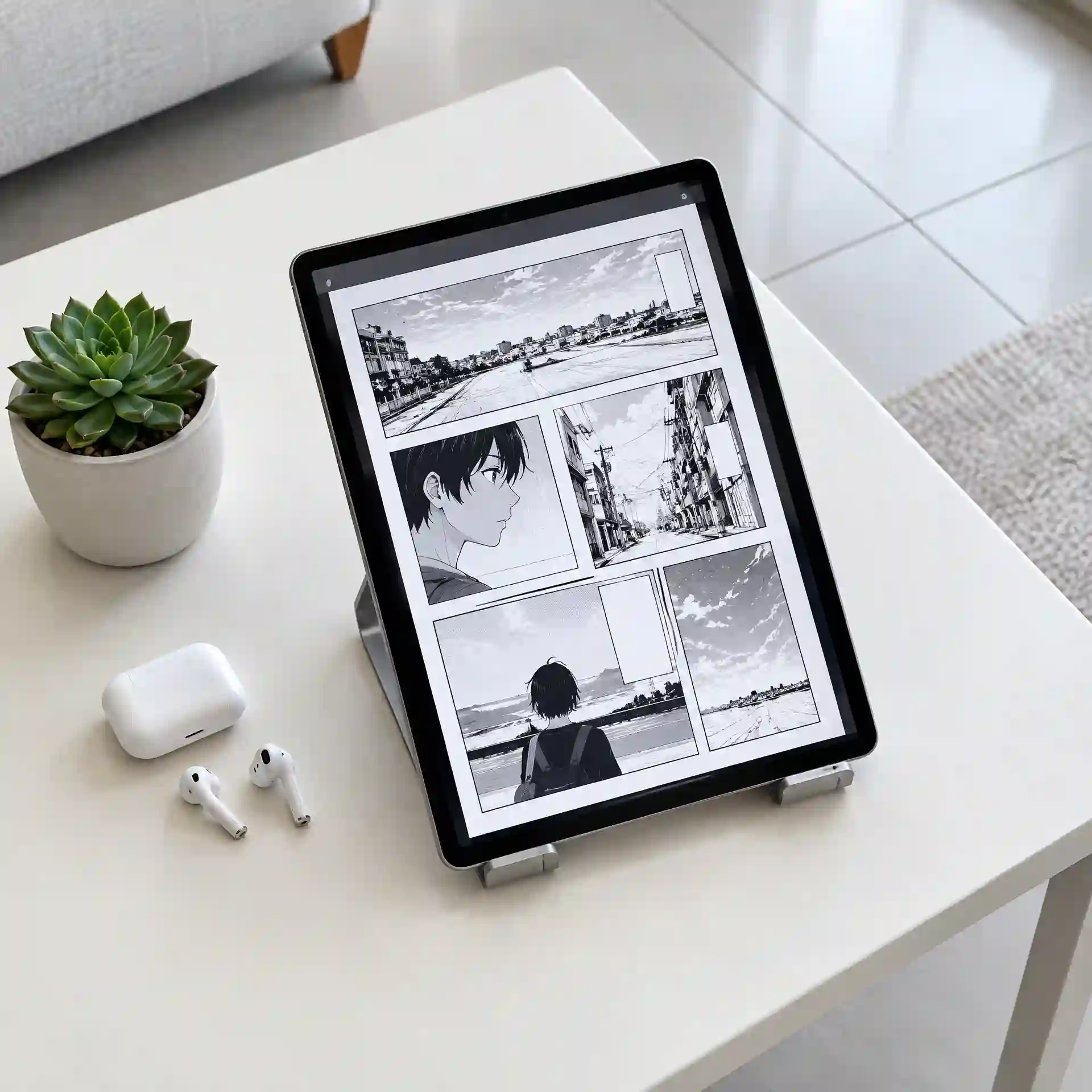
In a guide to what is webtoon, questions such as what does manhwa mean, what’s manhwa, and what are manhwas point to one concept. The standard spelling is “manhwa”; its plural can remain “manhwa” or informally become “manhwas.” Phrases like what is a manwha and what is manwa are usually misspellings. A glossary should normalize them.
This Reddit discussion answers what is webtoon by comparing the medium with manhwa, revealing the terminology questions that translators must resolve consistently.
Webtoon and manhwa discussionr/webtoons2.2 Answer the Korean comics question clearly
While answering what is webtoon, answer what are korean comics called with “manhwa.” Searches for what are korean manga called or what is korean manga called express the same need, but “Korean manga” is less precise. Put the distinction in metadata, translator notes, and catalog labels. It helps readers find the translation without misrepresenting it.

3. Build a Translation Sheet Before Drafting Dialogue
3.1 Record names, voices, and recurring terms
After learning what is webtoon, start the real work with a translation sheet. List every character name, relationship title, organization, location, ability, object, and repeated phrase. Add the source spelling, approved English form, context, speaker, and first episode where it appears. This simple file prevents a name or title from changing halfway through a season.
Character voice also helps define what is webtoon translation. Record whether a speaker is formal, blunt, childish, old-fashioned, sarcastic, or polite. Korean honorifics and kinship terms often signal status that English cannot copy directly. Reproduce the relationship through vocabulary, sentence shape, and tone.
This lettering tutorial supports what is webtoon production by showing how speech bubbles affect text placement, readability, and the final translated panel.
3.2 Add visual and cultural context
To understand what is webtoon, never translate extracted text without its panel. A short Korean line may mean agreement, disbelief, annoyance, or a joke depending on the art. Add screenshots or panel numbers to difficult glossary entries. Context matters in south korean digital cartoons, where pauses can carry meaning.
The translator should also flag food, school roles, holidays, wordplay, and forms of address. Decide whether each item needs direct translation, light localization, retention, or a short note. Avoid explaining every cultural detail inside the dialogue. Good localization lets the scene remain natural while preserving information needed for the plot.
This Reddit thread connects what is webtoon with translation quality concerns, including consistency, human review, glossaries, and control over automated localization.
AI translation quality debater/webtoons4. Translate Meaning, Voice, and Reading Rhythm Together
4.1 Draft for intent rather than word order
A useful answer to what is webtoon must include how dialogue works inside the art. Translate the speaker’s intent first, then rebuild the line in natural English. Korean often omits subjects, while English may require one. Literal word order can create stiff dialogue, unclear pronouns, or accidental changes in character relationships.
For what is webtoon localization, draft each conversation as a connected scene. Read the surrounding bubbles before approving a line. Keep repeated terms consistent without forcing every sentence into one structure. Natural variation makes dialogue sound spoken.
This WEBTOON TikTok profile demonstrates what is webtoon through mobile-first comic promotion, short visual storytelling, and language-aware audience engagement.
4.2 Fit the translation without deleting meaning
In what is webtoon translation, English can take more horizontal space than Korean. Remove repetition, filler, and information already visible in the art. Replace long clauses with direct English while preserving clues, jokes, and emotional shifts. Never shrink the font until it becomes uncomfortable.

5. Handle Sound Effects, Signs, and Text Inside Artwork
5.1 Classify every visual text element
When teams discuss what is webtoon, they often focus only on speech bubbles. A complete episode may also contain sound effects, phone screens, messages, labels, storefront signs, handwritten notes, and interface text. Mark each item as essential, optional, decorative, or intentionally unreadable. This determines whether it needs replacement, a nearby caption, or no translation.
Sound effects show why what is webtoon is both a language and visual question. A large impact sound is artwork, not just a word. Match the action, mood, size, and texture of the original lettering. “Tap,” “slam,” and “thud” create different scenes.
This font tutorial adds a useful production detail to what is webtoon translation: imported fonts must stay readable, expressive, and licensed for publication.
5.2 Choose between replacement and annotation
Replace text inside artwork when it is important and the background can be rebuilt cleanly. Use a small translated caption when redrawing would damage the illustration or exceed the project budget. Keep selected source words when they are part of the setting and their meaning is clear from context. Record every decision in the translation sheet so later episodes follow the same rule.
An online comic strip format also shapes what is webtoon translation. Text may cross panels or work as a transition, so do not process it as an isolated label. Review the full vertical sequence first. The translated visual should guide the eye in the original order.

6. Letter and Edit for the Vertical Scroll
6.1 Treat spacing as part of the story
Another practical answer to what is webtoon is that empty space controls time. A long gap may build suspense before a reveal, separate locations, or slow an emotional beat. Translators and letterers should not move bubbles simply to reduce file length. Changing their vertical position can change when a reader receives information.
Use a stable font system when producing what is webtoon localization. Separate normal speech, thoughts, whispers, shouting, narration, and messages. Center text visually and break lines into natural phrases. A good bubble is readable before its design is noticed.
6.2 Run a lettering quality check
Reviewing what is webtoon lettering means checking the final export, not only the editable file. Look for clipped punctuation, hidden tails, uneven margins, weak contrast, and overlaps. Compare source and target scrolls side by side. Confirm that every source text item has an outcome.
7. Use AI and OCR as Assistants, Not Final Translators
7.1 Know what automation can do
OCR can extract dialogue, translation software can create a rough draft, and image tools can remove text from simple backgrounds. These tools can speed up repetitive work. They do not fully answer what is webtoon in context because a model may not know who speaks, what a facial expression means, or when a blank space is a deliberate pause. Automation should prepare material for review, not publish the episode by itself.
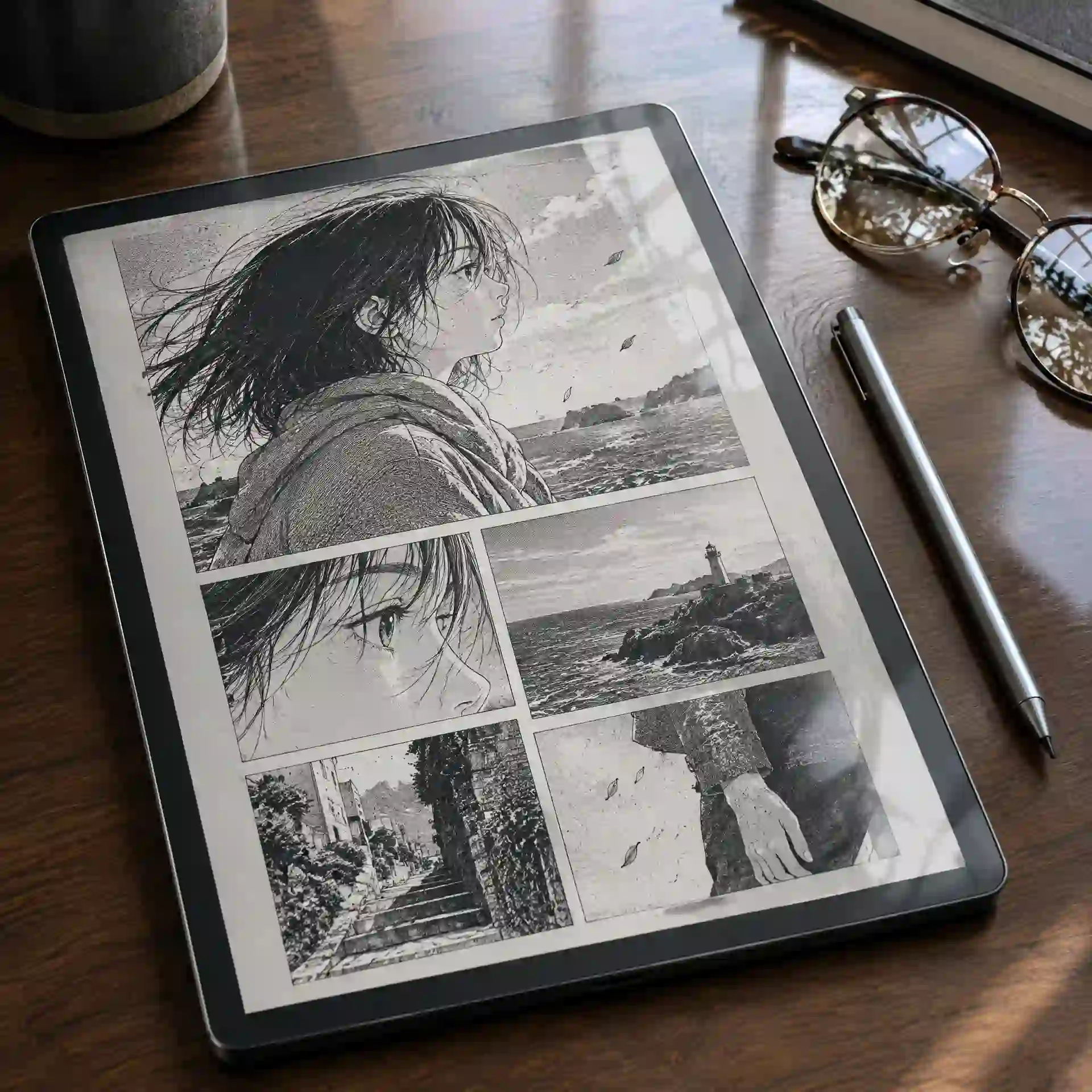
Machine output cannot reliably settle what is webtoon context. It struggles with omitted subjects, nicknames, jokes, neutral references, and dialogue tied to earlier episodes. Use the translation sheet as a controlled glossary and have a human review every bubble against the art. Important plot clues deserve a second reviewer.
7.2 Apply a controlled production workflow
A reliable what is webtoon workflow has seven steps: source audit, text extraction, glossary update, translation, bilingual editing, lettering, and mobile QA. Keep the translator and letterer in contact. The translator can shorten a line safely, while the letterer can identify real space limits.
For smartphone optimized web comics, test at least one common narrow screen and one larger screen. Scroll at normal reading speed. Check whether reveals arrive correctly and whether captions remain readable over art. This final pass often catches problems that sentence-level proofreading misses.
8. What Is Webtoon Translation? Final Checklist and Next Step
8.1 Approve language and visuals together
So, what is webtoon translation in practical terms? It is the localization of language, artwork, timing, and reading flow as one connected product. A correct sentence can still fail if it breaks the character’s voice, fills the bubble, covers an expression, or reveals information too early. Quality comes from reviewing the complete episode, not isolated text.
Before releasing what is webtoon content, confirm terms, names, pronouns, tone, effects, signs, punctuation, bubble fit, restoration, and scroll order. Verify the episode on a phone and credit the team under the project agreement. Keep the approved translation sheet for the next episode. Consistency becomes more valuable as the series grows.

8.2 Start with one episode
The clearest way to understand what is webtoon is to translate a short episode through the full workflow. Build the visual translation sheet first, draft with panel context, letter at mobile size, and perform a slow final scroll. Record every correction that should become a rule. Start with one episode now, then turn those rules into a repeatable localization system.
References
Victoria and Albert Museum:
https://www.vam.ac.uk/articles/a-brief-history-of-webtoonsExternal LinkThe Comics Journal. “The Webtoon:
https://www.tcj.com/the-webtoon-a-new-form-for-graphic-narrative/External Link